

Eco-friendly packaging builds customer loyalty by showing customers that your brand’s values match their environmental beliefs, which strengthens trust, repeat purchases, and word-of-mouth—especially when the materials are genuinely sustainable and the story is communicated clearly. In 2026, the materials you wrap your product in directly shape whether customers come back, tell their friends, or quietly switch to a competitor, particularly as Gen Z and millennial shoppers weigh sustainability more heavily in buying decisions.
At Paper Tube Co., we work with authentic, sustainability-focused brands, major marketing agencies, startups, and local artisans to turn packaging into a genuine retention asset, not just a marketing label. Ahead, we look at how sustainable custom packaging, eco-friendly unboxing, FSC-certified papers, compostable materials, vegetable-based inks, brand identity design, and structural packaging engineering can help products stand out at retail while proving your sustainability commitment.
According to McKinsey's 2025 global packaging survey, a majority of consumers across 11 countries are willing to pay more for sustainable packaging, with the strongest willingness among Gen Z and millennials. Roughly 74% of consumers are willing to pay more for sustainable packaging overall, and 90% of consumers prefer brands with sustainable packaging.
Sustainable materials like FSC-certified paper, recycled content boards, and compostable fibers directly influence consumer trust, repeat purchases, and brand perception. Sustainable packaging enhances brand loyalty and repeat purchases when these choices are clearly communicated.
The EPA reports that U.S. containers and packaging had a53.9% recycling rate in 2018, with paper and paperboard packaging recycled at roughly 80.9%. Better material choices connect with real recycling behavior, not just marketing claims.
Brands can start building loyalty quickly by auditing current packaging, testing eco-friendly packaging solutions like custom paper tubes, and tracking changes in reorder rates and customer reviews.

Eco-friendly packaging means using recyclable, compostable, reusable, and lower-impact materials that reduce environmental harm at every stage; sustainable packaging refers to the same approach of choosing materials and formats with a smaller footprint. When done well, it connects directly to customer loyalty and repeat purchases.
According toMcKinsey's March 2025 global packaging survey, which covered 11,136 consumers in 11 countries, most shoppers say they are willing to pay more for sustainable packaging. In markets like India, around 85% are willing to pay substantially more. Younger consumers, particularly Gen Z and millennials, consistently show the highest willingness. In fact, 74% of consumers factor sustainability into their buying decisions, and 69% of consumers expect sustainable packaging by 2025, a threshold we have now passed.
These numbers matter because willingness to pay and brand loyalty are closely linked. Sustainable packaging is a critical factor in purchase decisions, and it can help build brand loyalty by aligning a brand with the environmental values of its shoppers, which is especially powerful in categories like cosmetics, specialty foods, wellness, and premium beverages. Values-driven consumers prioritize brands reflecting their beliefs on waste reduction, and they reward that alignment with deeper loyalty.
By 2026, eco-friendly packaging is increasingly a baseline expectation rather than a differentiator. But standout, well-designed packaging can still differentiate a brand and attract new customers in ways generic plastic alternatives simply cannot. Consider the contrast: traditional plastic-heavy, generic packaging rarely generates positive word-of-mouth, while custom, paper-based packaging with clear sustainability credentials tends to drive both recommendations and repeat orders.
Packaging shows up at every stage of the purchase journey: on the shelf, in product photos, and at the moment of unboxing. Each touchpoint is shaping consumer behavior and influencing purchasing decisions.
McKinsey's findings confirm that environmental sustainability remains important to consumers globally, but priorities differ by region. Some markets emphasize recyclability, others focus on plastic reduction. Brands should tailor messages and materials to their key geographies. For example, 77% of U.S. consumers say recyclability is extremely important, while 49% of U.S. consumers intentionally avoid products with excessive packaging. Meanwhile, 58% of consumers prefer brands with public sustainability commitments, and 58% of consumers are more likely to recommend eco-friendly products.
Clear eco-friendly choices, such as FSC logos, "100% recycled paper tube," or "plastic-free mailer," reduce buyer hesitation and increase conversion, especially for first-time online purchases. Sustainable packaging can improve brand perception and purchase intention because it signals that a company is responsible and thoughtful, and packaging reflects brand values in a way customers quickly notice. Customers who appreciate sustainability are more likely to recommend a brand, which lowers customer acquisition costs and can support product sales over time.
Consider companies offering sustainable products in compostable paper tubes and glass jars in 2026. Their reviews frequently mention "sustainable packaging," which correlates with higher customer satisfaction and stronger repeat intent. That kind of organic social proof is difficult to manufacture. And according to EPA data, when brands choose genuinely recyclable formats like paper and cardboard, they align with existing consumer behavior and municipal recycling systems, strengthening perceived responsibility.

Loyalty depends on consumer trust, and trust depends on whether your packaging choices feel honest, consistent, and genuinely lower-impact with reduced environmental impact. Using clear, eco-conscious materials fosters trust among consumers because the evidence is tangible, not just a claim on a website.
At Paper Tube Co., we work with sustainable materials including FSC-certified papers, high-recycled-content boards, biodegradable materials, compostable fibers, tin and glass components for refillable or reusable designs, and vegetable-based inks. Each material plays a specific role in building trust: FSC certification signals responsible forestry, recycled materials demonstrate circularity, and compostable materials appeal to zero-waste lifestyles. Packaging that is recyclable or compostable shows commitment to a circular economy.
Using certified sustainable materials combats greenwashing skepticism by helping protect the environment, which is a growing concern. If a brand talks about environmental sustainability but ships products in excessive plastic, consumers notice the mismatch. In fact, 39% of consumers switched brands due to unsustainable packaging. Communicating how to recycle or dispose of packaging helps engage customers and reinforces that your commitment is genuine while supporting a healthier planet. For a deeper look at how sustainable packaging practices come to life at unboxing, explore our guide toeco-friendly unboxing.
Unboxing is often the most tangible moment of truth for modern brands, especially in eCommerce. Eco-friendly packaging can transform this moment into a powerful tool for loyalty that customers remember and share.
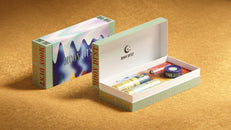
Structural engineering and custom design, such as snug-fit custom paper tubes, rigid boxes with lift-off lids, printed inner reveals, and reusable containers, make the packaging feel premium and worth keeping. Attractive packaging can enhance the unboxing experience and aid brand loyalty, creating a lasting impression that goes beyond the product itself. Think of a specialty tea brand using printed paper tubes designed to sit on kitchen counters, or a wellness brand using refillable glass jars nested in molded paper inserts instead of foam.
Well-designed eco packaging also reduces damage in transit, which directly improves customer satisfaction and reduces returns. Eco-friendly packaging builds customer loyalty when integrated into the overall customer experience, from the first click to the final reveal. And many customers still record unboxing videos and share eco-friendly packaging details on social media, which can attract like-minded customers and strengthen community loyalty around environmental causes.

Now that the connection between eco-friendly packaging and customer loyalty is clear, the next step is designing packaging solutions that actively support retention.
Paper Tube Co. offers two main pathways to help businesses test and scale packaging programs: quick "Ready-Made" blank paper tubes with no minimum order for testing concepts, and fully custom orders (1,000+ pieces, roughly 6+ week lead times) for brands ready to scale. Our structural engineering, R&D, and prototyping services help solve specific loyalty pain points, whether that is repeated shipping damage, confusing mixed-material packaging, or designs that frustrate environmentally conscious customers.
Three practical design priorities to focus on for brands that prioritize sustainability:
Minimize plastic and mixed materials. Mono-material designs simplify recycling and meet consumer expectations.
Ensure ease of recycling or composting at home. Plain language and icons on packaging guide proper disposal.
Align aesthetics with brand identity. Colors, finishes, and textures should match what customers already love about your brand.
Brands that embrace minimalist design show a commitment to sustainability that resonates. Maintaining product quality is essential for sustainable packaging loyalty, so never sacrifice protection for appearances. Available formats include paper tubes, rigid boxes, folding cartons, paper pouches, envelopes, tin, and glass components, each offeringways to enhance brand loyalty while staying true to sustainable practices.
To justify investment in sustainable packaging, brands need to track how it affects customer loyalty metrics over time. Customers appreciate measurable progress in sustainable practices, and your internal team needs data to scale what works.
Key KPIs to monitor before and after switching packaging:
Repeat purchase rate at 30, 60, and 90 days
Subscription retention (if applicable)
Net promoter score (NPS)
Star ratings and reviews mentioning "packaging"
Support tickets related to damage or usability
A simple cohort approach works well: compare customers who received legacy packaging in late 2025 with those who received eco-friendly packaging in early 2026, holding campaigns and pricing as constant as possible. Rewards for sustainable behavior, such as loyalty points for returning packaging or choosing refills, can enhance customer loyalty over time and give you additional data points.
McKinsey's research indicates that sustainability interest has plateaued slightly but remains apowerful differentiator where execution is strong and consistent. Measurable gains often come from doing eco-packaging exceptionally well rather than just checking the box. One example: a brand that switched to custom paper tubes saw fewer damages, higher review scores, and subsequently expanded eco-friendly options to additional product lines based on clear loyalty improvements.
Consumer expectations, loyalty benefits, and competitive pressure are all converging. In a crowded market, strong sustainable packaging is no longer optional for brands that want growth and need to differentiate.
Translating McKinsey's strategic insights into actionable moves:
Choose where to focus. Identify product lines or regions where eco-conscious consumers are most concentrated and willingness to pay is highest.
Define clear sustainability metrics. Decide what you are optimizing for (recyclability, carbon reduction, waste elimination) and communicate it.
Align marketing and operations. Your sustainability story should be consistent across your website, product pages, and physical packaging.
We recommend a phased roadmap: start with a packaging audit, run a pilot project using Paper Tube Co.'sready-made or smallcustom runs, measure loyalty impact for one to two quarters, then scale the designs that clearly improve retention and brand perception. Brands offering sustainable products with credible packaging are also better positioned for growth. Effective strategies focus on transparency and reducing waste in packaging at every stage.
To see how we approach sustainable packaging and get expert guidance on structural design, material selection, and brand identity integration, visit oursustainability page.
Investing in eco-friendly packaging now can build a loyal customer base that stays with your brand through the rest of the decade, as regulations tighten and new customers increasingly demand environmental responsibility from every company they buy from.

These questions address practical concerns not fully covered in the sections above.
Some brands see early signals, like higher product ratings and fewer damage complaints, within the first one to two months. More stable metrics, such as repeat purchase rates, typically require at least three to six months of data after the packaging change. Using Paper Tube Co.'s ready-made paper tubes for a limited product line is a low-risk way to generate this early data before a full overhaul.
Sustainable materials can cost more upfront than basic plastic options, but they can reduce costs in other areas by lowering damage rates, improving shipping efficiency, and supporting higher price points. Since 74% of consumers are willing to pay more for sustainable packaging, the premium often pays for itself through increased customer loyalty and higher lifetime value.
Simple, mono-material paper-based packaging, such as FSC-certified paper tubes, cardboard mailers, and paper pouches, tends to be easiest for customers to recognize as recyclable and handle correctly at home. Avoid complex mixed materials like plastic-coated boxes without clear guidance, and use plain language and icons to explain how to dispose of or reuse each component.
Small brands can begin by replacing one or two core items with eco-friendly formats, using in-stock blank packaging like Paper Tube Co.'s ready-made tubes combined with labels or simple printing to keep minimums and lead times manageable. Track loyalty metrics for these specific SKUs to build a business case for expanding sustainable packaging to the rest of the catalog.
Be specific and factual: name exact materials (for example, "FSC-certified paper, 80% post-consumer recycled content"), avoid vague claims like "earth-friendly," and acknowledge trade-offs where they exist. Link to a clear sustainability page and use third-party certifications where appropriate, which helps build consumer trust and reinforces long-term brand loyalty.


What is a "global PRO," and why are brands so cautious? Explore how organizations like the Circular Action Alliance are shaping cross-border EPR laws and how to adapt your packaging.


Which States Are Next for EPR Packaging Laws? (New York, New Jersey & More) breaks down active legislative momentum, state needs assessments, key timelines, and compliance steps.