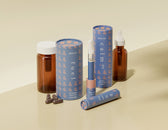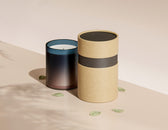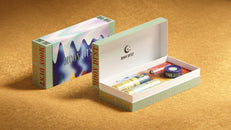


The moment a customer picks up a package, they've already formed an opinion about the product inside. That opinion isn't shaped by a price tag or a product description-it's shaped by weight, texture, color, and the quiet confidence of thoughtful design. This guide breaks down what separates truly premium packaging from everything else on the shelf, and how brands of any size can get there.
Luxury packaging is about orchestrating multi-sensory details-weight, texture, sound, and the unboxing ritual-not simply wrapping a product in an expensive box. Successful luxury packaging shares characteristics like consistency in visual language and sensory appeal across every touchpoint.
According toMordor Intelligence, the global luxury packaging market is projected to grow from USD 19.66 billion in 2026 to USD 24.17 billion by 2031, with paper and paperboard holding over 43% of the market by material. Sustainable premium packaging is now a commercial priority.
Premium packaging is achievable for smaller brands through smart material choices, focused embellishments, and partners like Paper Tube Co. that offer both ready-made and fully custom packaging solutions.
Eco-friendly materials-FSC-certified paper, compostable boards, vegetable inks-can enhance rather than dilute the perception of luxury. People increasingly expect environmental responsibility from the brands they buy.
The rest of this article gives a practical checklist for designing luxury or premium packaging, with examples from beauty, homeware, and gifting.
Luxury packaging design is the combination of material quality, structural design, and storytelling that makes a product feel elevated from the first touch. It goes beyond containment. Effective luxury packaging communicates craftsmanship and reflects brand identity, turning the package itself into an extension of what's inside.
The difference between luxury packaging and premium packaging is worth understanding. Luxury typically implies highly curated details, smaller production runs, and deeper hand-feel sophistication. Premium packaging is also upscale but designed to be more scalable for broader markets. Both aim to impress, but luxury leans harder into sensory detail and artisanal quality.
So what are the sensory cues that make something feel luxurious? Consider these:
Weight: Rigid boards and thick-walled paper tubes communicate substance. A heavier package signals that the brand invested in quality.
Texture: Soft-touch coatings, uncoated stocks, or linen finishes invite people to hold the package longer.
Color: Deep, saturated hues or restrained, muted palettes convey sophistication. Tiffany & Co.'s blue boxes are iconic for luxury identity precisely because a single distinctive color became synonymous with the brand.
Sound: A soft magnetic close feels considered. A loud plastic snap does not.
Apple's slow-lift rigid boxes and high-end fragrance cartons use these same principles. Luxury packaging uses superior materials and expert craftsmanship to create a world where the container matters as much as the contents.
Paper Tube Co. is a specialist that happens to specialize in this intersection. We offer rigid tubes, boxes, pouches, and alternative formats like tin or glass-all designed to blend craft with sustainability.
Unboxing has become a mini retail experience, and for a growing number of customers, it happens at home rather than in a store. According to Mordor Intelligence, e-commerce sales of luxury goods surpassed department-store volumes in 2025, making the at-home unboxing event the primary physical touchpoint between a brand and its customer.
The market data reinforces why packaging design deserves serious focus. The luxury packaging market is set to grow at a 4.22% CAGR from 2026 to 2031. Paper and paperboard accounted for 43.26% of the market by material in 2025, while rigid boxes and folding cartons represented 41.19% by format. These are not niche categories-they're the dominant platform for how luxury is delivered.
These numbers connect directly to emotional outcomes. Luxury packaging enhances brand value by creating a memorable emotional experience during unboxing. It shapes consumer perception of brand prestige: when a package feels substantial and intentional, people perceive the product as more valuable, more giftable, and more worth sharing on social media. Luxury packaging creates emotional connections with consumers that outlast the initial purchase.
There are practical benefits too. Luxury packaging becomes part of the product experience rather than just a container, which drives repeat purchases and loyalty. Thoughtful structural design also reduces returns and shipping damage-a direct cost saving that offsets higher packaging investment.
Whether you're working with a paper tube, rigid box, folding carton, or pouch, certain principles apply across every format. Think of this as a checklist:
Simplicity and restraint: Minimalistic designs focus on clean lines and high-quality materials. Resist the urge to fill every surface with graphics or text.
Brand consistency: A strong visual identity in luxury packaging relies on distinctive colors and minimal graphics. Your packaging should be immediately recognizable.
Information hierarchy: Lead with one hero element-usually the logo or brand name-and let everything else support it.
Tactile richness: Texture communicates care. A smooth, soft-touch panel or an uncoated stock with visible fiber tells the customer you chose this material deliberately.
Precision in construction: Flush edges, clean seams, tight tolerances. Nothing undermines a luxury concept faster than a crooked seam or a lid that doesn't sit right.
Inner-outer harmony: The inside of the package should feel as considered as the outside. A printed interior, a tinted liner, or a contrasting color inside the lid all signal attention to detail.
Design for the full journey: Consider on-shelf impact, unboxing at home, and potential storage or reuse of the package.
Luxury packaging conveys sophistication through materials and design, and these principles are how you achieve it consistently. Paper Tube Co.'s in-house structural engineering and brand design services help translate these principles into manufacturable prototypes-so what looks great in a mockup actually works in production.

Touch and weight are the fastest ways to communicate luxury, and material choice drives both. Luxury packaging often employs premium materials like thick rigid board and soft-touch papers to create immediate tactile impact.
Here are the key material categories to consider:
High-caliper paperboard: Available in recycled or virgin fibers. FSC-certified stocks ensure responsible sourcing. Recycled paper and biodegradable plastics are now standard sustainable materials in the luxury segment.
Uncoated tactile stocks: These have visible texture and a natural feel that signals authenticity. They work especially well for brands with an environmental responsibility message.
Food-safe liners: Essential for cosmetics, specialty food, or wellness products that require barrier protection.
Premium materials often include heavy glass, specialized paper, and embossed textures-and Paper Tube Co. offers a range that includes custom paper tubes, rigid boxes, paper pouches, bags, and alternative formats in tin or glass.
Sustainability features in luxury packaging often include biodegradable or refillable systems. Reusable fabric pouches are made from organic cotton or recycled materials, offering a reusable layer that customers appreciate. Soy-based inks are used in eco-friendly luxury packaging alongside water-based adhesives-subtle details that upgrade the sustainability story without compromising aesthetics.
Luxury brands increasingly prioritize sustainability in packaging design because sustainable luxury packaging is increasingly important to consumers. Cardboard and paperboard's rising market share confirms this. Compostable closures, recyclable materials, and recycled materials are not compromises-they are active signals of a brand's commitment to the planet.
This is where packaging design gets visual. The right finish turns a good package into an unforgettable one. Luxury packaging design focuses on high-quality materials and refined finishes, but the key is knowing when to stop.
Here are the finishes worth considering:
Soft-touch (velvet) lamination: Luxury packaging uses tactile engagement techniques like soft-touch matte lamination and structural ribbons to invite touch.
Matte vs. gloss contrast: A matte base with gloss accents creates depth without visual noise.
Foil stamping: Gold, copper, or holographic foils on logos or key details. One foil area on a muted base color reads as more premium than foil everywhere.
Embossing and debossing: Raised or recessed textures add a dimensional, handcrafted quality.
Spot UV: A glossy varnish applied only to specific areas for selective shine.
Tinted or printed interiors: A hidden color or message inside the lid creates a surprise moment during unboxing.
The rule of thumb: combine two or three finishes maximum. A foil-stamped logo plus blind embossing on a soft-touch surface feels high-end. Five competing effects feel chaotic.
Where sustainability matters, many of these finishes are compatible with recycling when designed thoughtfully. Avoiding plastic-heavy over-lamination on every surface keeps end-of-life options open.
Paper Tube Co.'s work onluxury beauty packaging for brands like Jade Briana Beauty demonstrates this balance: combining soft-touch coatings with metallic accents and protective internal structures tailored for fragile cosmetics like glass bottles.
Structure is as important as graphics for making packaging feel premium. Structural design in luxury packaging emphasizes the unboxing experience and durable materials, and the physical act of opening a package is something you can engineer deliberately.
Common luxury structures include:
Telescoping paper tubes: A lid that slides off smoothly, revealing the product inside.
Shoulder boxes: A rigid base with a lifted inner platform that presents the product at a slight elevation.
Hinged rigid boxes with magnetic closures: The soft click of a magnet says "considered."
Drawer-style cartons: A sliding mechanism that slows the reveal.
Nested components: An outer box, an inner cradle, and accessories layered in sequence.
Innovative structural designs include origami-inspired folds and pop-up elements that surprise the customer during the reveal. The pace and sequence of unboxing-sliding off a lid, discovering a secondary color, uncovering the product-can all be mapped and refined.
Intentional unboxing experiences in luxury packaging encourage customer sharing on social media. This requires precise tolerances so lids glide without wobble. Paper Tube Co.'s structural engineering and prototyping services help achieve exactly this.
TheLux Table project is one example of how packaging-like structures can elevate gatherings, table settings, and gifting rituals through considered form and detail-proof that structural thinking extends beyond traditional product packaging.

Premium packaging is a storytelling canvas. It should communicate who you are before the product is even seen. Luxury packaging often reflects the brand's heritage and values, enhancing storytelling through every material, color, and structural choice.
Luxury packaging now incorporates narrative-driven design elements. Here's how to weave your brand identity into packaging:
Color systems tied to brand history or core values
Typography that reflects personality-serif for heritage, sans-serif for modernity
Copy in the brand's voice: inside-print messages, origin stories, or care instructions
Patterns or illustrations that carry meaning rather than decoration
Sustainability storytelling is part of the luxury equation too. Elegantly placed FSC logos, a brief note about reforestation partnerships, or a line about compostable materials tells customers your commitment is genuine-without overwhelming the design.
Paper Tube Co. offers brand identity design services that include discovery workshops, visual identity development, and translation of the brand system into packaging guidelines and mockups.
Digital integration uses QR codes for exclusive content access-a discreet code on the interior panel can link to a brand story page or behind-the-scenes video. Digital-physical integration in luxury packaging may also involve NFC tags for authenticity verification, allowing customers to confirm provenance with a tap of their phone. Keep these elements visually minimal so they enhance rather than clutter.
Cosmetics and fragrances represent over a third of the luxury packaging market. According to Mordor Intelligence, this sector held approximately 36.63% of market share in 2025, which means beauty brands set many of the visual standards for what "luxury" looks like.
Consider a scenario inspired by projects like Jade Briana Beauty: an indie skincare brand with clean formulations and a loyal following, seeking packaging that could hold its own on a Sephora shelf-without a global luxury budget.
The solution involved FSC-certified rigid paper tubes with a soft-touch exterior in a restrained, muted palette. A single foil-stamped logo on the front panel created a focal point. Inside, snug inserts designed to protect glass bottles during shipping eliminated the need for excess void fill.
Eco-friendly choices were woven into the luxury look rather than treated as an afterthought: recycled boards formed the structural base, vegetable inks handled the printing, and compostable closures replaced plastic alternatives where possible.
The measurable outcomes a brand like this can expect include improved perceived value at retail, easier placement with buyers who need packaging to match the shelf environment, fewer shipping damages thanks to engineered inserts, and positive customer feedback about the unboxing experience. The packaging was created to protect while making an impact.
There's a persistent misconception that luxury packaging is only for global heritage houses with massive budgets. That's no longer true.
As Paper Tube Co. explores in its article onhow Sephora-level packaging is now accessible to independent brands, modern print technology, modular tooling, and ready-made formats have lowered both cost and minimum order quantities significantly.
Here are concrete tactics for independent brands:
Prioritize one hero format: A single, well-designed tube or box across your line creates consistency.
Focus embellishments on the front panel or logo only: One foil stamp plus a quality substrate goes further than five finishes on a cheap base.
Choose a flexible core color system that works across SKUs without requiring separate tooling for each product.
Personalized luxury packaging allows customers to choose colors and messages, and modular formats make this kind of customization feasible at lower volumes.
Paper Tube Co.'s ready-made blank tubes ship with no minimum order and can be upgraded with labels or screen-printing-a stepping stone toward fully custom bulk runs (1,000+ units, 6+ weeks lead time).
The decision path is simple: use ready-made for market testing and early traction, then move to custom once demand validates the investment. Think in terms of packaging ROI-higher price points, better retail placement, and reduced damage-rather than unit cost alone.
A strong brief saves time, reduces revisions, and leads to better packaging. Here's what to include when working with a partner like Paper Tube Co.
Key items for your brief:
Product details and protection needs (fragile glass? Liquid? Multiple components?)
Target audience and price point
Sustainability requirements: plastic reduction goals, certifications needed, compostable or recyclable priorities
Launch date and volumes
Retailer or logistics constraints (shelf dimensions, shipping method, drop-test requirements)
Collect references before you start:
Photos of packaging you admire (and notes on what specifically you like)
Color and texture swatches
Notes on the unboxing experience you want: minimal, theatrical, gift-ready, reusable
Typical development steps with Paper Tube Co.:
Discovery and concept alignment
Structural engineering and dielines
Prototyping and material/finish selection
Approval and final production (6+ weeks for fully custom bulk orders)
Before you finalize your brief, explorePaper Tube Co.'s portfolio for inspiration. Understanding available formats and finishes will help you set realistic expectations and make stronger creative decisions from the start.
Luxury packaging design sits at the intersection of materials, structure, finishes, and story. Sustainable choices now strengthen rather than weaken the perception of premium-leaving behind the outdated idea that eco-friendly means low-end.
Brands of all sizes can leverage luxury packaging to stand out in crowded retail spaces and e-commerce feeds, especially in categories like beauty, home goods, and specialty food. The solutions are more accessible than ever.
Audit your current packaging against the principles in this guide: sensory cues, sustainability, storytelling, and structural experience. Identify two or three high-impact improvements you can make now.
When you're ready to move forward, read throughPaper Tube Co.'s portfolio and reach out for structural design support, eco-material guidance, or full brand identity-to-packaging translation. Delivering packaging that feels as good as the product inside is what we do.

Below are answers to common practical questions about luxury and premium packaging that aren't fully covered above.
Fully custom luxury packaging with Paper Tube Co. typically starts at around 1,000 units with lead times of six or more weeks. This covers bespoke sizes, colors, finishes, and structural engineering. However, our ready-made blank tubes have no minimum order and ship quickly, offering a low-risk entry point. Many clients start with ready-made packaging plus custom labels or light screen-printing for early-stage testing. Once demand is validated and volumes justify the investment, they transition to fully custom runs with more elaborate finishes and structures.
In many cases, yes. Using mono-material paperboard structures, FSC-certified stocks, compostable inner components, and vegetable-based inks makes end-of-life recycling or composting straightforward. The challenges arise with specialty finishes or mixed materials-magnets, plastic windows, or certain metallic laminates can reduce recyclability. Paper Tube Co. can advise on lower-impact alternatives that maintain a premium aesthetic. The goal is designing for disassembly: keeping materials separable so each component enters the right waste stream.
Cost depends on material thickness, structure complexity, and finishes, but the gap is often smaller than brands expect. Small, smart upgrades-a heavier board, one foil-stamped area, a better-fitting insert-can significantly increase perceived value without multiplying unit costs. The more productive way to think about it is packaging ROI: if premium packaging supports a higher retail price, better shelf placement, or fewer damaged-goods claims, it pays for itself. Paper Tube Co.'s blog on packaging ROI offers a deeper look at this equation for independent brands.
A typical timeline looks like this: two to three weeks for concept and structural design, one to two weeks for prototyping and approvals, and around six to eight weeks for custom production, depending on complexity and volume. Using existing Paper Tube Co. tooling or ready-made formats can shorten timelines considerably. Highly engineered structures-magnetic closures, multi-piece nested components, or complex die-cut inserts-may extend them. Starting your brief early and having clear references ready helps keep the process on track.
Key sectors include cosmetics and fragrance, wellness, specialty food and beverage, premium spirits, home fragrance, and high-end accessories. According to Mordor Intelligence, cosmetics and fragrances hold the largest share of luxury packaging demand at roughly 36.63%, while premium beverages are the fastest-growing segment. That said, any brand aiming for gifting, subscription boxes, or upscale retail-online or offline-can benefit from elements of luxury packaging design. It's not reserved for traditional luxury houses; it's a tool for any brand that wants customers to understand its value before the product is even opened.


What is a "global PRO," and why are brands so cautious? Explore how organizations like the Circular Action Alliance are shaping cross-border EPR laws and how to adapt your packaging.


Which States Are Next for EPR Packaging Laws? (New York, New Jersey & More) breaks down active legislative momentum, state needs assessments, key timelines, and compliance steps.