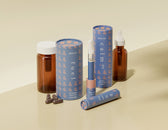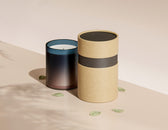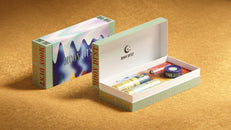


From 2024 onward, indie brands can access premium, Sephora-level packaging with low MOQs, fast lead times, and measurable ROI instead of waiting on 10,000–50,000 unit runs. Strategic premium packaging is not just "pretty boxes"; it can lift repeat purchase rates, social sharing, and perceived product value by 20–40% when the packaging design supports the product inside. Advances in custom packaging production, digital printing, modular tooling, and eco-friendly materials have made short-run luxury packaging realistic for small brands. Paper Tube specializes in premium paper tube packaging that combines luxury packaging aesthetics, product protection, and sustainable packaging for indie brands. This guide, written by Asymmetric Applications for Paper Tube, gives concrete numbers, examples, and a Q&A section so founders can make confident, ROI-driven packaging decisions.
Picture a small skincare or wellness brand in 2026: strong formula, thoughtful vision, loyal early customers, but every order still leaves the studio in a plain kraft mailer with a sticker and a little wrapping. Now compare that with a Sephora unboxing: rigid gift packaging, bold interior print, snug inserts, tactile finishes, and a sense that every detail was developed to create anticipation.
Until around 2018–2020, that second experience was mostly out of reach for independent brands. Sephora-level custom packaging was locked behind high fixed costs, long overseas timelines, complex supplier coordination, and minimum order quantities that often started at 10,000–50,000 units. Small-batch packaging often comes with higher unit costs because the fixed costs of production are spread over fewer units, making it a specialized service compared to mass manufacturing. But the economics have changed, and premium packaging for indie brands is now a performance lever rather than a vanity expense.
Asymmetric Applications is writing this guide for Paper Tube, a company focused on premium paper tube packaging design and sustainable solutions for small and mid-sized brands. We'll focus on practical ROI, paper tubes, poly bags, cartons, shipping, and the steps needed to turn packaging into a measurable business asset.

"Sephora-level" packaging is not defined by a fancy box alone. It is a combination of visual impact, tactile quality, structural design, and functionality that makes customers trust the product before they use it.
Visual cues: Rigid paper tubes, embossed logos, soft-touch lamination, holographic foils, warm gradients, flat illustrations, blocky colors, and tight color management help products stand out on the shelf. In 2025, packaging design trends are shifting toward flat illustrations and blocky colors, using bold geometric expressions and vibrant color blocking to enhance shelf appeal. Warm gradients combined with holographic colors are also emerging as key elements in modern packaging design, adding depth and energy to products, particularly in skincare and high-end tech accessories.
Tactile cues: Heavy board stocks, dense paper tube walls, textured coatings, snug friction-fit lids, and custom textures and colors can build brand identity and tell a story. Tactile and textured finishes in packaging create a sensory experience that feels luxurious to the touch. Foil stamping and embossing add a touch of luxury to packaging without changing the formula, bottle, jars, or bottles themselves.
Structural cues: Strong premium packaging protects the product inside. Precise inserts, leak-conscious formats for cosmetics, and intuitive opening sequences can turn primary packaging into protective packaging. Sturdier packaging materials protect the product during transit, preventing damage, while high-quality mailers and custom-molded inserts improve physical protection during shipping.
Positioning cues: Premium packaging is a crucial differentiator for brands because it communicates quality, sustainability, and brand story. It separates serious brands from generic cartons or poly bags, and it shapes the price tier customers expect before they discover the ingredient list.
Your shipped package is the only marketing tool at your disposal with a 100% open rate, making it a critical touchpoint for customer engagement. That is why packaging solutions should be measured like any other growth channel.
Conversion uplift: When Shopify pages, wholesale decks, and ads showcase elevated custom packaging rather than stock containers, brands can often see a realistic 5–15% lift in landing page conversion. Better photos of the box, tube, labels, and unboxing sequence make the value easier to understand.
Repeat purchase and LTV: Elevating products through high-touch unboxing experiences enhances customer satisfaction. Industry estimates suggest that 40% of consumers are likely to make repeat purchases from an online merchant with premium packaging. Effective premium packaging is associated with higher customer lifetime value because the experience feels complete, not transactional.
Social sharing: Premium packaging can transform unboxing into a shareable social media experience, increasing organic reach. Using sustainable packaging can enhance brand loyalty, as 39% of consumers have shared images of unique, eco-friendly packaging on social media, leading to increased brand visibility. In beauty industry reporting, packaging visibility on Instagram and TikTok has become a meaningful discovery driver for brands such as Drunk Elephant and Sol de Janeiro.
Price elasticity: Premium packaging can command higher retail prices and boost profit margins without altering the product itself. Higher perceived value from luxury packaging can allow small brands to raise prices by 10–25%, or defend margins during promotions without racing to the bottom.
Damage reduction: Premium packaging helps to reduce costly returns and damages, enhancing customer satisfaction. If sturdy paper tubes and engineered inserts cut damage from 4% to 1%, founders should count that savings directly in ROI.
For brands that also sell packaged goods into EPR-regulated states, there is an additional financial case: paper tubes sit at the lowest fee tier in every published 2026 state EPR schedule — the same rate as consumer corrugated — while plastic alternatives can run ten times higher per pound. Paper Tube's free EPR Fee Calculator lets you model that difference against your own volume and state exposure in about 90 seconds.

The old barriers have eroded because of better technology, better material options, and more flexible supply chains. According to short-run packaging suppliers such as NAPCO, digital production can support premium finishes at much lower volumes than traditional offset or rotogravure.
Digital printing: Modern digital presses can produce short runs of fully branded paper tubes and cartons with fast art changes and no plate fees. Runs of 250–500 units are increasingly common, and minimum order quantities for custom packaging can start as low as 100 units for certain types of packaging, allowing small brands to access customized solutions without large upfront investments.
Post-production customization: Post-production packaging allows for low-volume customization, with minimum order quantities starting at 100 units, making it accessible for small brands looking to brand their packaging without large orders. This works well for labels, sleeves, stickers, belly bands, and limited edition drops.
Modular tooling: Paper Tube can support brands with standard diameter and height ranges, so founders get creative freedom without paying for a completely new shape or mold. That makes the process faster, more predictable, and easier to scale.
Domestic and nearshore production: US and European production partners now handle smaller orders with 3–6 week lead times, avoiding the old 90-day import timeline. Some suppliers, including Packaging Yard, advertise fast turnaround and low MOQs on selected boxes and styles.
Tiered MOQs: A founder can start at 250, 500, or 1,000 units, then optimize once the market responds. The unit cost drops as volume rises, but the first batch exists to test customer reaction, not to win a lowest-cost award.
Indie brands do not need a dozen kinds of packaging. They need a tight system built around a few core formats that support sales, product protection, sustainability, and the brand's style.
Primary presentation packaging: Paper Tube's cylindrical premium packaging is a hero option for candles, skincare solids, teas, wellness products, accessories, specialty food, and small cosmetics. A paper tube has a distinctive shape, strong shelf presence, and a cool opening moment that feels more crafted than a flat carton.
Outer shipping packaging: Branded corrugated mailers or shipper boxes protect the inner luxury packaging and carry key messaging on sustainability, care, and reuse. The goal is to keep the premium moment intact through shipping.
Inner components: Inserts, cradles, and dividers lock products in place and make the fit feel intentional. Curated packaging sets create a feeling of completeness, enhancing consumer experience.
Low-cost brand touches: Tissue, stickers, simple note cards, and belly bands can elevate gift packaging without a major cost increase. Including handwritten notes or personalized thank-you cards adds a human element to packaging. Offering personalized labels or limited-edition packaging strengthens the connection with consumers.
Special formats: Eco-conscious poly bags or glassine sleeves can still make sense for sample sachets, textiles, or lightweight accessories. The key is to align flexible formats with a premium look rather than treating them as an afterthought.
Design Principles: Making Indie Packaging Look and Feel Luxury
Smart packaging design can make a modest budget look tier-one if the brand is focused and consistent. Minimalist design is a key trend in e-commerce packaging, valued for its sophistication, but minimal does not have to mean plain.
Visual hierarchy: Prioritize brand name, product name, and key benefit on the principal display panel. Strong designers use spacing, size, and contrast so customers can understand the product in three seconds.
Color and finishes: Solid color blocking, soft-touch, spot gloss, foil, debossing, and holographic accents can create luxury without clutter. Indie packaging design is thriving in 2025, characterized by hand-drawn elements and casual typography, reflecting a preference for personality and authenticity over perfection.
Typography: High-quality serif fonts, neo-grotesque fonts, and controlled letterspacing can make a brand feel premium. The use of groovy and distorted lettering is becoming popular in packaging design, with fonts that feature warped type and unpredictable spacing to create emotional impact, but use that style carefully so the product still reads clearly.
Storytelling: Add 30–50 words about the origin story, craft, sustainability commitments, or ingredient inspiration inside the tube or on the back panel. This is where a founder's voice can turn packaging into brand equity.
Photography and mockups: Invest in 3D renders and hero shots for the website, email, wholesale catalogs, and social media posts. Branded packaging significantly affects category dominance, sales growth, brand equity, and consumer loyalty, making it an essential aspect of marketing strategy.

In 2026, premium increasingly means premium and sustainable. Consumers increasingly associate sustainability with premium quality in packaging materials, and approximately 70% of consumers are willing to pay more for products that come in sustainable packaging.
Sustainable packaging is designed to minimize environmental impact by using materials that are recyclable, biodegradable, or made from renewable resources. For Paper Tube clients, that can mean recycled paperboards, FSC-certified paper, plastic-free liners, water-based inks, soy-based printing, and emerging options such as algae ink where appropriate.
Clear end-of-life copy matters. Tell customers if the tube is recyclable, compostable, or designed for reuse. Sustainable materials and sustainable packaging solutions work best when the instructions are simple enough for a real person to follow.
Paper tubes can also replace traditional plastics, such as rigid plastic jars, clamshells, and unnecessary poly bags for dry goods, balms, solids, teas, and some food formats. Right-sizing the package around the product cuts excess void fill, lowers shipping emissions, and signals thoughtful packaging design. Retailers like Sephora and Credo have published sustainability expectations, so aligning early gives indie brands an advantage in wholesale pitches.
There is also a growing regulatory dimension to sustainable packaging choices. Seven U.S. states now have active EPR packaging laws, and paper tubes sit at the lowest fee tier in every published 2026 schedule. For brands already selling at scale into California, Colorado, Oregon, or other EPR-active states, that fee difference is real money. Paper Tube's EPR Fee Calculator lets you compare your current packaging material against a paper tube alternative using published state fee schedules — and generate a downloadable PDF to share with your finance or procurement team.
Founders do not need perfect math to make a better packaging decision. They need realistic ranges and a simple way to compare cost against margin, loyalty, and damage savings.
At low MOQs, custom paper tubes might run roughly $1.20–$2.50 per unit at 250–500 pieces, depending on size, printing, coatings, inserts, and finishes. A plain carton might cost $0.45–$1.20. The paper tube costs more, but it can sell more, protect more, and communicate more.
Here is the mental math. If a wellness product sells for $28, has $8 in COGS before packaging, and moves from $0.45 packaging to $1.50 packaging, the added cost is $1.05 per unit. A 15% price lift adds $4.20 in revenue per unit, which more than covers the upgrade before counting repeat purchase or social lift.
Now include product protection. If a brand ships 1,000 orders and damages fall from 4% to 1%, that is 30 fewer damaged orders. With product, shipping, replacement labor, and customer support included, those saved orders can recover a meaningful share of the packaging upgrade.
For brands in EPR-regulated states, the calculation has an additional line item. Switching from multilayer flexible or rigid plastic packaging to paper tubes can reduce annual EPR fees by a significant margin — the per-pound fee difference between the two material categories is roughly 10 to 1 under published 2026 schedules. Add those projected fee savings into your break-even model alongside unit cost, damage savings, and repeat purchase lift. The Paper Tube EPR Fee Calculator can run that number for your specific volume and state mix in under two minutes.
Cash flow still matters. Schedule packaging orders around launches, pre-orders, seasonal campaigns, or wholesale commitments. Test small batches first, even if the unit cost is higher, then scale once the data proves that premium packaging is improving AOV, repeat purchase, UGC, or wholesale sell-through.
Use this playbook if you are launching or relaunching a hero product with Sephora-level packaging.
Weeks 1–2: Strategy and brief. Define the audience, price point, unboxing goals, sustainable packaging requirements, budget, and required services. Create a written brief for Paper Tube that includes dimensions, product weight, desired finish, and the customer emotion you want to create.
Weeks 2–4: Concept and design. Work with a freelance designer or agency to develop dielines, graphics, copy, colorways, and sample labels. Ask Paper Tube for structural and artwork guidance before finalizing files.
Weeks 4–6: Prototyping and sampling. Order physical or digital proofs. Check fit, compression, shelf presence, and whether the product inside feels anchored. Run simple drop tests and opening tests in-house.
Weeks 6–10: Production. Place the first custom packaging order at an MOQ aligned with your forecast. Confirm lead times, shipping costs, and operational SOPs so fulfillment teams know how to pack each order.
Launch and measurement: Plan photography, email, PR, and social content around the new packaging. Track AOV, repeat purchase rate, damage rate, return rate, tagged photos, and customer comments against the old baseline. If your brand sells into EPR-active states, also benchmark your packaging fee obligation before and after the switch using the Paper Tube EPR Fee Calculator so you have a complete picture of the packaging upgrade's financial impact.

Can I access Sephora-level packaging if I only order 300–500 units?
Yes. Thanks to digital printing and standardized tube sizes, Paper Tube can support low MOQs in the 250–500 range with fully custom artwork. New brands no longer need to commit to 10,000+ units to get premium packaging for indie brands.
Unit costs will be higher at these quantities, but the risk is lower. Many brands start here, validate demand, and then step into 1,000–3,000 unit runs. Even small runs can include soft-touch, foil, spot gloss, or other features, though it is smart to prioritize the embellishments that matter most.
How do I keep packaging premium but still eco-friendly?
Luxury and sustainable packaging are not mutually exclusive. Brands can use recycled paperboards, plastic-free linings, water-based inks, low-VOC processes, and eco-friendly materials that still feel elevated.
Focus on mono-material paper tubes that are widely recyclable instead of mixed plastic laminates that are difficult to process. Paper Tube can advise on sustainable materials, adhesives, coatings, and finishing options that preserve recyclability. As an added benefit, mono-material paper tubes sit at the lowest EPR fee tier in every published 2026 state schedule, making them both the more sustainable and the more cost-efficient choice for brands with regulatory exposure.
What if my product line changes or I add new SKUs later?
Design a flexible system up front. Use a common tube size with different artwork, color, labels, or sleeves for each SKU. This keeps structural tooling low while still giving each scent, shade, formula, or seasonal edition its own identity. Once volume grows, brands may be able to produce mixed SKUs within a single production plan.
How can I measure whether premium packaging is actually working?
Benchmark before and after the upgrade. Track 90-day repeat purchase rate, average order value, damage rate, return rate, and customer support issues. Also count organic social posts, tagged photos, unboxing videos, and survey responses that mention packaging. If your brand is subject to EPR regulations, include your annual fee obligation as a line item in the before-and-after comparison. The Paper Tube EPR Fee Calculator can generate a downloadable PDF with cited numbers that makes that comparison easy to share with your team.
Do I need completely custom shapes, or are standard paper tubes enough?
Most indie brands can get Sephora-level impact using standard-diameter paper tubes with strong artwork and finishing. Fully custom structural molds usually make more sense at higher volume. For startups in 2024–2026, artwork, color, material, and finish usually deliver better ROI than exotic shapes. Paper Tube can recommend standard forms that still feel distinctive on-shelf.
What products work best in paper tube packaging?
Paper tubes work especially well for candles, balms, skincare solids, teas, dry food items, supplements, small bottles, accessories, and curated sets. If the product is fragile, Paper Tube can add inserts or dividers for stronger protection.
Can premium packaging help with wholesale buyers?
Yes. Wholesale buyers judge shelf impact, durability, sustainability, and brand story quickly. Strong packaging can make a small brand look more retail-ready and reduce perceived risk for the buyer. Increasingly, retail buyers at sustainability-forward chains are also asking about EPR compliance and packaging material composition — another area where paper tubes give indie brands a straightforward, defensible answer.
Should my first packaging upgrade focus on structure or graphics?
Start with the structure if products are breaking, leaking, or shifting in transit. Start with graphics and finishing if the package protects well but looks too generic for the market.
Is sustainable packaging always more expensive?
Not always. Some sustainable packaging choices cost more upfront, but right-sizing, reducing void fill, improving reuse, and cutting returns can improve total economics. For brands in EPR-regulated states, the lower fee tier that paper tubes occupy can offset a portion of the unit cost premium — sometimes significantly, depending on volume and current packaging material. The Paper Tube EPR Fee Calculator can put a number on that offset for your specific situation.
Conclusion

Premium packaging is no longer reserved for global beauty houses. With short-run production, digital printing, flexible MOQs, and better sustainable packaging solutions, indie brands can build a Sephora-level experience without betting the entire business on one massive order.
If your brand is ready to look more premium, protect products better, and turn every shipment into a growth channel, Paper Tube can help you design and produce packaging solutions that match your vision, your budget, and your next stage of growth. And if you sell into EPR-regulated states, the switch to paper tubes carries a measurable financial upside beyond the brand benefits — one you can model in 90 seconds before your next conversation with procurement or operations.


What is a "global PRO," and why are brands so cautious? Explore how organizations like the Circular Action Alliance are shaping cross-border EPR laws and how to adapt your packaging.


Which States Are Next for EPR Packaging Laws? (New York, New Jersey & More) breaks down active legislative momentum, state needs assessments, key timelines, and compliance steps.