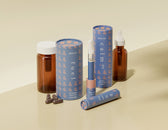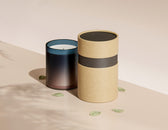


Your packaging is the first thing a customer touches after clicking "buy." In a competitive market where 61% of shoppers believe premium packaging makes a brand seem upscale, every small business owner has a real opportunity to punch above their weight. The good news: you don't need a massive budget or a 10,000-unit print run to pull it off.
Even very small brands can achieve a premium look in 2026 by layering low-cost details like custom stickers, custom tape, custom tissue paper, and handwritten notes onto simple stock packaging. You don't need custom-printed boxes from day one to make a lasting impression.
Packaging is now a core part of brand identity and the unboxing experience, not just "a box." Whether you sell on Etsy, Shopify, or at local markets, your product packaging directly shapes how customers perceive your brand image and quality.
Budget-friendly packaging can still feel high-end when you combine one versatile shipping container (like plain corrugated boxes) with one or two branded touches and one personal touch. The formula is simpler than most small business packaging ideas suggest.
Eco-friendly packaging trends-recycled paper mailers, paper tape, compostable fillers-are growing fast: 76% of shoppers prefer sustainable packaging options, and sustainable materials are now only about 8–15% more expensive than conventional alternatives, down from 25–35% just five years ago.
The rest of this article gives you concrete, step-by-step packaging ideas for small businesses you can implement this month without committing to huge print runs or blowing your margins.
In 2026, customer expectations around creative packaging and unboxing are shaped by mega-brands and social media, even for tiny online shops. Scroll through Instagram or TikTok for five minutes, and you'll see dozens of unboxing videos-each one teaching your future customers what "good" looks like.
Custom packaging is often the first physical touchpoint after a digital purchase, and it strongly influences perceived product quality and the likelihood of repeat orders. Custom packaging can increase brand recall and customer loyalty, turning a one-time buyer into a long-term fan. According toPackageTheWorld research, packaging quality now ranks as the third most important factor influencing purchases, ahead of price.
A distinctive unboxing moment transforms a simple shipment into a mini event. Layers, textures, and small surprises give customers something worth photographing and sharing. Memorable unboxing experiences increase customer engagement, and unique packaging designs make shipments more memorable for customers. That user-generated content then markets your brand for free.
Consistent branding ensures packaging aligns with all platforms-your website, your social profiles, and the physical box in someone's hands. Colors, typography, and packaging material choices quickly tell buyers whether your brand is playful, minimalist, sustainable, or luxury. Unique packaging can increase brand recognition on shelves and in doorstep deliveries alike.
Here's the reassuring part: you do not need fully printed boxes to compete. You canstand out against larger competitors with smart combinations of low-MOQ branded elements like custom stickers and custom tape applied to simple stock containers.
Most small brands should start with one or two base containers to keep inventory and costs under control. Resist the temptation to order five different box sizes before you've shipped your first hundred orders.
Plain corrugated boxes made from kraft board are a versatile, affordable base that protects multiple products well and works for both in-person retail and ecommerce shipping. Corrugated boxes are the most common shipping boxes for good reason-they're sturdy, lightweight, and widely available. Corrugated cardboard can be recycled up to 25 times, which gives you an eco-friendly foundation from the start. Functional packaging can make products stand out during shipping, and a well-fitted corrugated box does exactly that.
For smaller, non-fragile items, pair your boxes with simple kraft bags, kraft paper mailers, or padded paper mailers. Padded mailers are ideal for small products needing extra protection without the cost of a full box. For soft items like apparel or fabric accessories, poly bags inside a paper mailer keep things clean and compact.
These bases can stay completely unprinted to save money while still looking deliberate when combined with branded accents elsewhere. Atquantities of 1,000 units, plain kraft boxes can cost as little as $0.35–$2.00 per unit, depending on size, far less than pre-printed boxes with full-color graphics.
Choose box and mailer sizes based on actual product dimensions. Oversized packaging wastes filler, increases postage (dimensional weight pricing penalizes empty space), and gives your product a "swallowed by the box" look that undercuts any premium feel. For fragile products, use appropriately sized containers with enough room for protective filler, but no more.

Color choices and materials-matte versus glossy, kraft brown versus bright white-communicate price point and brand's personality at a glance. Before you print anything, decide what your packaging designs should say about you.
Concrete examples help here:
Earthy tones and kraft textures work for natural products and skincare
Bright gradients suit energetic snack brands or kids' accessories
Black-and-white monotone with minimalist design signals refined jewelry or luxury product lines
Deep greens or navy for outdoor and adventure brands
Pick 2–3 brand colors and apply them consistently across stickers, tape, tissue paper, and printed cards instead of trying to print full-color custom boxes. This approach is far more cost-effective and creates stronger recognition. Clear brand storytelling communicates brand values and identity through these repeated visual elements.
A simple white or kraft box with a single bold color accent, like a deep green custom tape strip, can feel more intentional and premium than a busy design. Unique packaging designs improve brand recall and customer retention precisely because they're clean and memorable, not cluttered.
Color psychology matters: blue signals trust, green reinforces eco-friendly packaging credentials, and gold foiling communicates luxury. A carefully designed palette that matches your audience will do more heavy lifting than any expensive finish. If you're still defining your visual elements andlogo design, nail those foundations before investing in packaging.
"Layers" are what make luxury unboxing feel special. The sequence-outer protection, inner wrap, reveal moment, and final product presentation create anticipation. Layered packaging enhances the unboxing experience for customers, and custom packaging enhances the unboxing experience overall. You don't need expensive materials to achieve this.
Here's a simple 3–4 step unboxing flow:
Outer box - plain corrugated shipping box sealed with custom tape or a branded sticker
Inner tissue or paper wrap - custom tissue paper printed with a repeating brand logo or subtle pattern
Branded seal - a single custom sticker closing the tissue, creating a deliberate "reveal" moment
Product presentation - item sitting neatly on recyclable filler (shredded kraft paper, crinkle paper) with a thank you note or insert card on top
Custom tissue paper elevates the unboxing experience and acts as a low-cost "wow" layer that customers see first when opening the box. Using custom tissue paper in this way turns a $0.15–$0.30 addition into a memorable presentation that feels far more expensive than it is.
Instead of printing full custom boxes, use a single small roll of custom tape or a sheet of custom stickers to seal tissue paper. The cost savings are real:a plain kraft mailer plus branded tape, sticker, and tissue can total $1.30–$1.60 per order, compared to $1.50–$3.00 for a fully printed box at the same volume.
Even a plain box plus colored tissue plus one neat sticker can feel premium, as long as the wrapping is tight, edges are folded cleanly, and nothing looks rushed. Customers judge care more than cost.

Most visual "premium" cues can be achieved with very small, inexpensive printed pieces applied to stock packaging. You don't need customized packaging from a luxury supplier-you need a few smart branded elements.
Custom stickers are the most flexible branding tool available. Logo circles for sealing tissue, rectangle labels for box lids, and "thank you" stickers for envelopes and product wraps-custom stickers enhance brand image and create lasting impressions across every touchpoint. Using branded stickers can enhance product packaging appeal even on the plainest shipping box. A roll of 500 custom stickers typically costs well under $50, making this the single most cost-effective way to brand your packaging.
Custom tape instantly transforms a plain shipping carton into recognizable brand packaging. Water-activated kraft tape printed with a logo or slogan costs roughly $0.20–$0.40 per box in materials and makes every package look intentional. It's one of the simplest packaging ideas for small business owners looking for immediate impact.
Custom tissue paper doubles as both protection and branding, especially for apparel, stationery, and handmade goods. You can order modest quantities (often as few as 100 sheets) from digital print suppliers.
Hand-stamping with a rubber stamp and quick-dry ink is an even cheaper branding method for small runs. A single logo stamp costs $15–$30 and can mark hundreds of boxes, bags, and wraps with a charming, handcrafted feel that reinforces your brand message.
Custom stickers and labels enhance brand image and create lasting effects across multiple products and packaging types, making them ideal for businesses that ship different items in different containers.

Eco-friendly packaging is now an expectation, not a bonus. Seventy-six percent of consumers prefer sustainable packaging options, and 86% of consumers actively buy from brands with sustainable packaging. Using eco-friendly packaging attracts eco-conscious customers and can become a genuinecompetitive advantage.
Recommended materials for an eco-friendly option:
Recycled kraft corrugated boxes and paper mailers
Paper-based tape instead of plastic packing tape
Shredded paper or crinkled paper instead of foam peanuts or bubble wrap
Recyclable paper for inserts and cards
Recyclable materials throughout the packaging chain
Sustainable packaging can be biodegradable or compostable, and the cost gap is shrinking fast.Industry data shows eco-friendly materials now carry only an 8–15% premium over conventional options. Jute packaging is durable and prevents damage to dry foods, while foil-sealed bags provide air-tight sealing for food items, showing that sustainable and specialty packaging options exist across categories.
Print a small message inside the lid or on an insert explaining the sustainable choices: "This box is 100% recyclable and printed with water-based ink." Highlighting sustainability can increase customer loyalty and position your minimalist packaging as a deliberate decision.
Minimalist design shows environmental responsibility and reduces costs simultaneously. Uncoated paper stocks with simple line-art printing often look more high-end and contemporary than plastic-heavy, glossy alternatives. Recyclable materials signal quality and reliability to today's informed buyers.
Sustainable packaging appeals to conscious consumers and sets brands apart, and the environmental impact is real: packaging accounts for 32.6 billion tons of non-renewable waste annually. Avoiding unnecessary extra layers, like double-boxing, shows how "less but better" can read as both classy and responsible.
What truly feels premium in a small business context is human connection-acknowledgment that an order was packed by an actual person who cared. This personal touch separates small brands from faceless fulfillment centers.
Include short handwritten notes on small branded cards, addressing customers by first name and thanking them for their specific purchase. Handwritten notes can increase customer loyalty and brand connection significantly. This doesn't need to be a paragraph-even "Thanks for supporting us, Sarah!" in pen on a branded card creates warmth.
Packaging inserts work hard when done right. Recommend using discount codes printed on inserts-something like "Use THANKYOU10 for 10% off your next order"-to encourage repeat purchases while capitalizing on the warm unboxing moment. Discount vouchers printed on a visually appealing branded card feel intentional, not like an afterthought.
Occasional low-cost surprises boost perceived value: branded bookmarks, mini sticker sheets, or sample-size products that match the main item. These custom inserts turn a transaction into an experience. Visual storytelling conveys a brand's origin story or mission when you include a small card explaining why you started your business or what inspires your products.
Maintain consistency in tone-friendly, playful, refined, so that notes and inserts match your brand's visual identity and overall packaging style. When every element feels coherent, from the box to the thank you note, it builds the kind of customer loyalty that keeps people coming back.
The key to budget-friendly packaging is choosing a few high-impact packaging elements and buying them smartly. You don't need everything at once.
Buy core items in bulk. Plain boxes and basic mailers get significantly cheaper at volume. Moving from 500 to 5,000 units can reduce per-box costs by 50–70%.
Order branded items in modest, testable runs. Custom stickers, tape, and tissue can be ordered in small quantities so you're not locked into a design that might change.
Use one box size where possible. This simplifies packing, reduces storage needs, and makes it easier to standardize the branding layout across your customer base.
Start with a single branded item. A roll of custom stickers is the most cost-effective starting point. Add custom tissue paper or tape only after confirming repeat orders and healthy cash flow.
Keep a packing checklist. Box → filler → product → tissue → sticker → note → insert. This ensures every order feels equally polished, even when you're busy packing multiple products at once.
For extra protection on fragile products, use crinkled paper or recyclable cardboard dividers rather than expensive molded inserts. Pre-printed designs on stock elements can also help brands scale without custom printing costs.
This section gives a repeatable process any small business can follow to go from idea to finished packaging in a few weeks. Think of it as creating packaging that matches youroverall brand strategy.
Step 1: Define your brand identity in 2–3 words. For example: "playful, eco-conscious, bright" or "refined, minimal, warm." Choose matching colors, fonts, and materials. Your packaging strategy should flow directly from these words.
Step 2: List your products and shipping methods. Map them to one or two main packaging types: corrugated boxes for fragile items, paper mailers for soft items, padded mailers for small electronics. This keeps your packaging options manageable.
Step 3: Sketch the unboxing sequence on paper. Decide what the customer sees first, second, and third when opening a typical package. This is where you plan the memorable presentation that makes your products stand out.
Step 4: Choose 1–3 branded accessories. Pick from custom stickers, custom tape, custom tissue paper, or a branded note card-whatever fits your budget and reinforces your brand identity. One carefully designed element beats three mediocre ones.
Step 5: Order small test quantities. Pack several trial orders and gather feedback from real customers or friends before committing to larger print runs. Test packaging designs in the real world, not just on screen. If you're selling online, make sure youre-commerce shop experience matches the physical packaging experience.

Focus on neat folding, clean interior presentation, and a few small branded elements-a logo sticker on the lid and branded custom tissue paper inside. Add one personal touch, like a handwritten note or signed thank-you card, and one structural touch, like crisp tissue wrap or a band of kraft paper, to instantly upscale the feel.
Customers judge "premium" more by care, coherence, and unboxing flow than by whether the outer box is fully custom printed. A plain box with a visually appealing interior often outperforms a flashy exterior with a messy inside.
Order a single sheet or roll of custom stickers with your brand logo. These can be used on boxes, kraft bags, envelopes, and even products themselves. A rubber logo stamp and quality ink pad work as an ultra-low-cost alternative for small batches, giving a crafted, human look on kraft boxes and paper wraps.
Avoid complex multi-color pre-printed designs at first. One-color logos are cheaper to print and often look more refined. If you haven't finalized yourlogo design, settle that before ordering any printed packaging.
Uncoated, recycled papers can look luxurious when combined with thoughtful design: simple line art, plenty of white space, and a limited color palette. Pair Kraft materials with high-contrast black or deep green print, plus one polished element like a foil-stamped sticker or soft custom tissue paper.
Explain your eco choices briefly on an insert so customers see the minimalist packaging as a deliberate sustainability decision, not a corner-cutting measure. This transparency strengthens your brand's stance on environmental issues.
Including a small, evergreen discount code (for example, 10% off a future order) in every shipment is a simple way to build customer loyalty and encourage repeat purchases. Print codes on a small branded card so they feel intentional, not like a generic flyer.
Avoid over-discounting. Set clear rules like minimum spend thresholds or new-customer-only offers so promotions support profitability rather than eroding margins.
Core elements-your brand logo, main colors, box style-should stay stable for at least 12–18 months to build strong recognition. Your packaging stands in the market depends on consistency, not constant reinvention.
Refresh small details seasonally: limited-edition custom stickers for holidays, a short-run insert design for a new collection, or a themed thank you note for special events. These keep things fresh without undermining the brand recognition you've built. Consistency usually looks more premium than frequent changes, especially for ideas for small businesses, building trust and familiarity.
Premium small business packaging isn't about spending more-it's about being more intentional with every layer your customer touches. Start with one branded element this month, refine based on real feedback, and build from there. The brands that win on packaging in 2026 aren't the ones with the biggest budgets. They're the ones that make every detail feel like it was chosen on purpose.
Most suppliers now offer relatively low minimums. Custom stickers can often be ordered in quantities as small as 50–100 units. Custom tape typically starts around 1–5 rolls, and custom tissue paper can be ordered in batches of 100+ sheets through digital printing services. For custom boxes, expect minimums of 100–250 units from most packaging companies, though some digital printers offer runs as low as 25 units at higher per-unit costs.
Absolutely-and it's often the smarter move. Use corrugated boxes for heavier or fragile products and paper mailers for lighter items. The key is maintaining consistent branded elements across all packaging types. When the same sticker, tape color, and tissue paper appear whether a customer orders a large item or a small accessory, your brand packaging feels unified even though the containers differ.
Track two things: repeat purchase rate and social sharing. If customers who receive your unique packaging order again at a higher rate than those who received plain packaging, the investment is paying off. Monitor tagged photos and mentions on social media as well; each unboxing photo shared is essentially free advertising. Even a modest increase in customer retention typically justifies an extra $0.50–$1.00 per order in packaging costs.
The most common mistakes are over-sizing boxes (which wastes money on filler and shipping), ordering huge print runs before testing designs, using too many colors or finishes that don't match your brand, and neglecting the inside of the package. Customers notice when the interior looks careless. Another frequent error is using non-recyclable materials like excessive bubble wrap or plastic tape when paper-based alternatives exist at similar price points.


What is a "global PRO," and why are brands so cautious? Explore how organizations like the Circular Action Alliance are shaping cross-border EPR laws and how to adapt your packaging.


Which States Are Next for EPR Packaging Laws? (New York, New Jersey & More) breaks down active legislative momentum, state needs assessments, key timelines, and compliance steps.