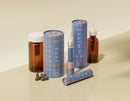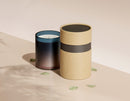



The California EPR mitigation fund 2027 is the highest-stakes packaging regulation in U.S. history. Starting January 1, 2027, brands selling packaged goods in California will collectively fund $500 million annually—$5 billion through 2037—through mandatory fees tied to packaging type and recyclability. The California EPR mitigation fund 2027 uses eco-modulated fees that punish plastic films, flexible pouches, and non-recyclable composites while rewarding paper-based, compostable, and FSC-certified packaging. The California EPR mitigation fund 2027 makes California the de facto national packaging standard, with fee exposure larger than all other state EPR programs combined. This guide covers how California EPR mitigation fund 2027 fees are calculated, which materials face the highest costs, CAA's October 2026 program plan, and why paper tube packaging reduces fee exposure under the California EPR mitigation fund 2027 structure.


The May 31 EPR reporting deadline has passed. If you’re a brand that ships physical products in the United States, there’s a good chance you just filed or should have filed packaging data with a Producer Responsibility Organization under one of the country’s growing Extended Producer Responsibility programs. Oregon, Colorado, and California are already live or in rulemaking. More states are coming.


Washington’s Recycling Reform Act (SB 5284), signed May 17, 2025, makes Washington the seventh state with an extended producer responsibility program for packaging and paper products. This guide quickly answers what producers must do, when, and why packaging ROI now matters.


Premium packaging includes custom boxes, branded paper tubes, upgraded packaging materials, sustainable materials, eco-friendly materials, thoughtful inserts, and a packaging design that creates a positive first impression when the package hits the doorstep.


As of early 2026, seven U.S. states have active EPR laws for packaging: California, Colorado, Maine, Maryland, Minnesota, Oregon, and Washington. This EPR packaging compliance checklist is written by Asymmetric Applications for Paper Tube for North American brands using paper, cardboard, tubes, plastic packaging, and more than food packaging.


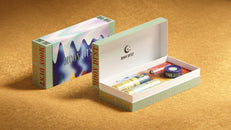
Picture a small skincare or wellness brand in 2026: strong formula, thoughtful vision, loyal early customers, but every order still leaves the studio in a plain kraft mailer with a sticker and a little wrapping. Now compare that with a Sephora unboxing: rigid gift packaging, bold interior print, snug inserts, tactile finishes, and a sense that every detail was developed to create anticipation.